Global Engagement

Latin American perspective Worldwide scholarly exchange

LAANSSS builds selective, reciprocal, and intellectually meaningful relationships with scholars and institutions across regions.

LAANSSSScroll to explore
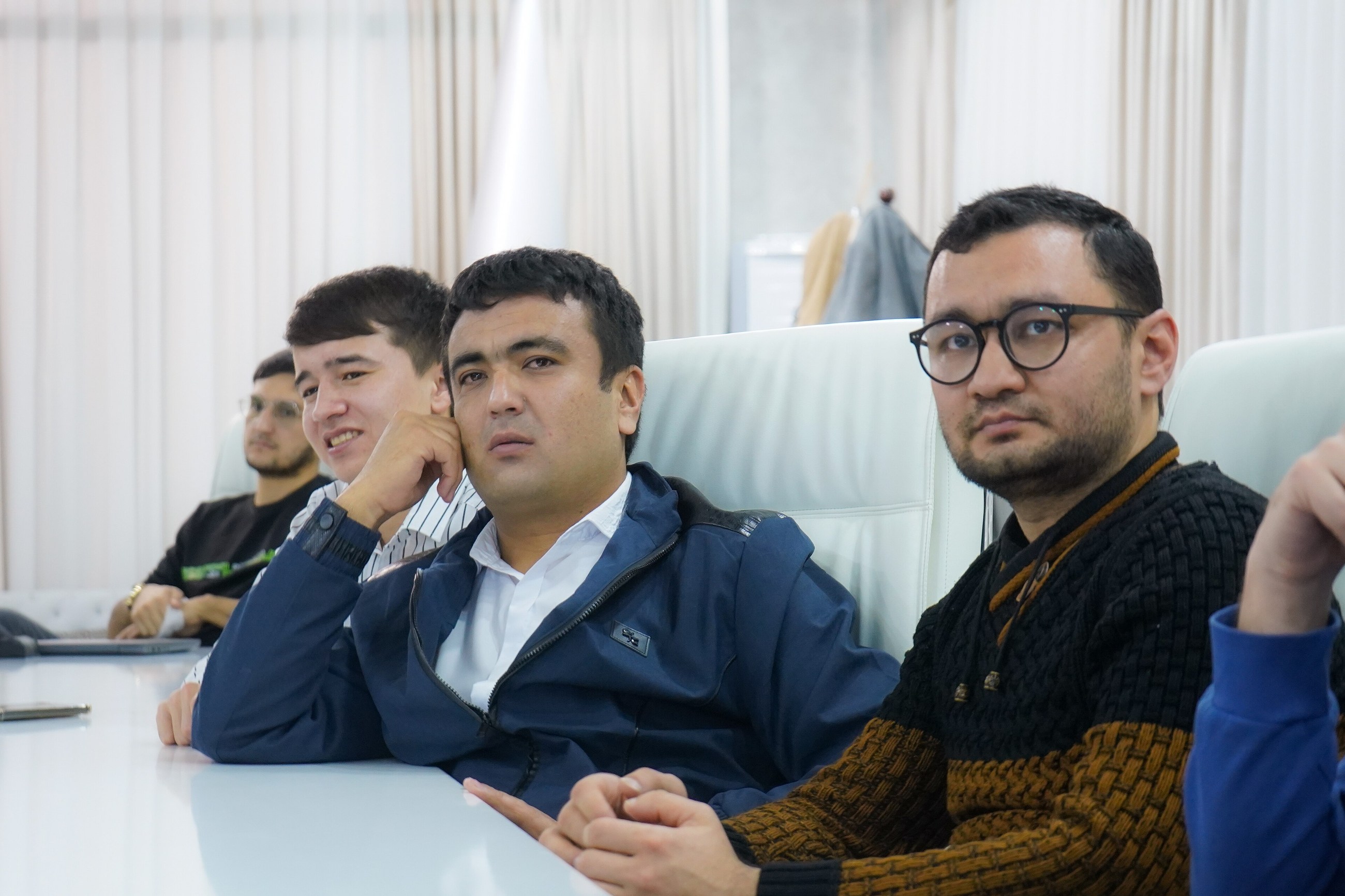
Participants listening and exchanging ideas during the WikiStipendiya pre-season discussion.
GLOBAL BY PURPOSE

International engagement is most valuable when it creates genuine intellectual reciprocity.

The Academy does not treat international visibility as an end in itself. Cooperation should connect relevant expertise, expand access to knowledge, respect local context, and produce clearly governed scholarly value.

Reciprocity as scholarly method

International reach begins with how knowledge relationships are designed

Latin American scholarship should participate in global conversations as a source of theory, evidence, method, and interpretation—not only as a location from which data are extracted. Equally, international cooperation should expand intellectual possibilities in the region rather than reproduce one-directional visibility or dependence.

For that reason, proposed relationships are expected to make purpose, leadership, contribution, access to data, authorship, review, communication, use of institutional names, and the duration of commitments explicit. Appropriate recognition of local expertise and knowledge holders is part of research quality, not an optional courtesy.

Mutual intellectual contributionEquitable attribution and authorshipContext-aware methodsProportionate and documented commitments

Principles for Institutional Relationships

Credibility comes from what is made explicit

Mission alignment
Academic independence
Documented roles
Transparent authorship
Respect for local context
No implied endorsement
Propose academic cooperation

In depth

Building collaboration that lasts beyond an invitation

International engagement becomes substantive when an exchange of interest develops into work that participants can define together. An initial conversation can establish a common question, identify existing efforts and test whether collaboration would add something worthwhile. The next step is usually a bounded proposal: a workshop with a clear intellectual purpose, a comparative study, a shared resource or another feasible activity. At this stage, participants should discuss time, language, resources and decision making. An invitation or exploratory meeting is a beginning; it does not by itself establish a continuing institutional partnership.

A sound collaboration also plans for delivery and closure. Participants can agree on responsibilities, milestones, review points and the conditions for changing scope before work begins. They should know how concerns will be raised and what happens if a contributor can no longer participate. At completion, outputs need an agreed home, records need appropriate stewardship and any continuing obligations need an owner. These are useful principles for future LAANSSS engagement. Specific partners, agreements and joint programmes should be described publicly only when their status and the permission to name them have been confirmed.

Read the complete essay