Scope and intellectual fieldA disciplinary home broad enough for discovery and precise enough for judgment
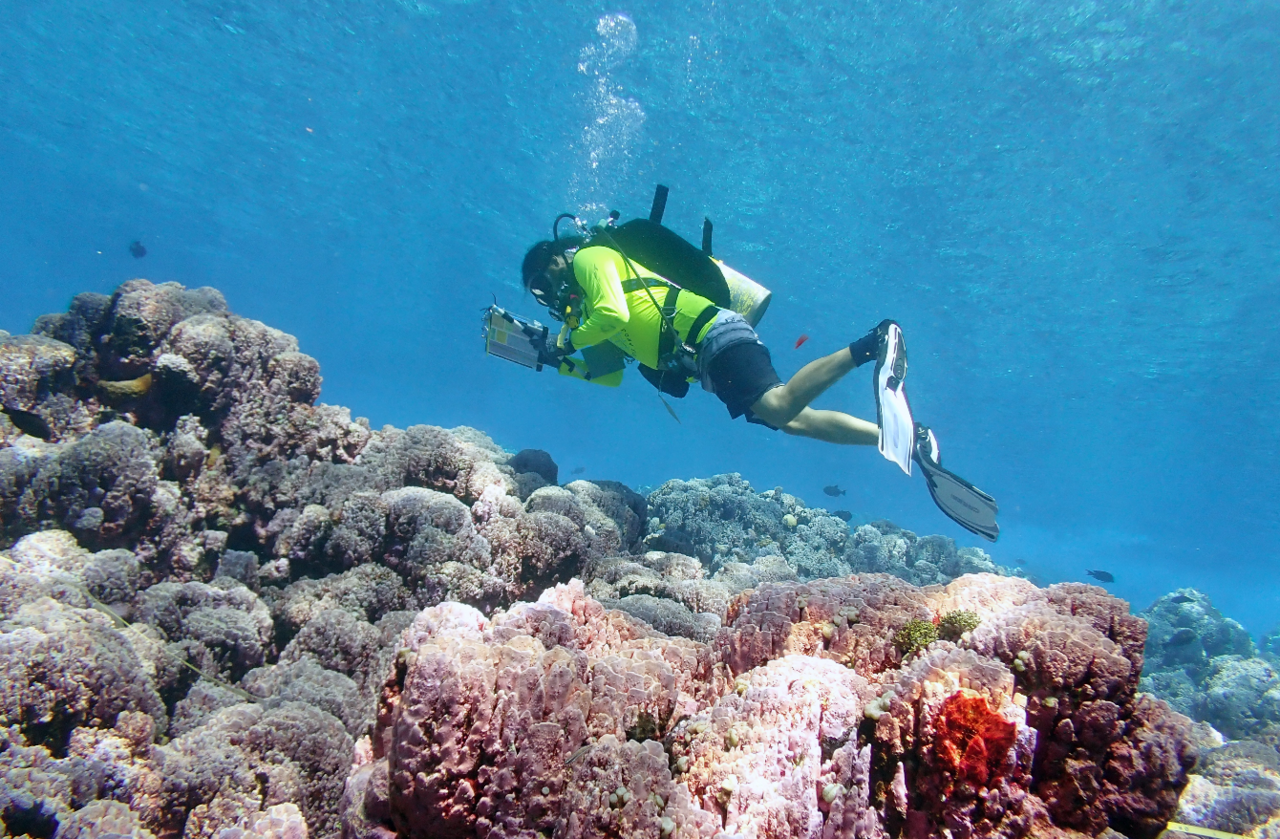
The division studies Earth as an interconnected system. Its work includes geology, geophysics, oceanography, atmospheric science, hydrology, climate science, geography, environmental observation, planetary science, and the responsible use of geospatial data.
Within Earth, Environmental & Planetary Sciences, fields such as Geology and geophysics, Climate and atmospheric science, Oceanography and hydrology, Environmental science are treated as connected areas of inquiry rather than isolated labels. The division gives specialists a recognizable home while making room for new combinations of theory, observation, experiment, computation, design, interpretation, and professional practice. Its role is not to prescribe one intellectual school, but to make standards of competence visible and to ensure that interdisciplinary work remains answerable to the disciplines on which it relies.
Research design and evidenceQuestions determine methods and claims remain proportionate to evidence
A serious research programme begins by defining the object of inquiry, the relevant scale, the state of existing knowledge, and the form of evidence capable of changing a conclusion. Depending on the field, that may require experiments, longitudinal observation, archival interpretation, mathematical modelling, fieldwork, qualitative inquiry, engineering validation, comparative analysis, or a deliberate combination of approaches. The division expects methods to be described clearly enough for informed scrutiny and limitations to remain visible throughout interpretation and communication.
Research connected to Latin America should also explain place, history, institutions, language, ecology, and unequal access where these conditions shape the evidence. Regional relevance does not lower disciplinary standards; it often requires more exact contextual reasoning. Comparative or international work should identify what can legitimately be generalized, what remains specific, whose knowledge is represented, and how data, credit, responsibility, and long-term stewardship are distributed among collaborators.
Contribution across the AcademyDeep expertise becomes more useful when its boundaries and connections are understood
It brings long-term planetary perspective to climate resilience, biodiversity, water security, urban development, disaster risk, and public policy.
Across the Academy, the division can convene peer review, identify reliable expertise, formulate research questions, mentor emerging scholars, and test the disciplinary foundations of shared projects. It may contribute to evidence reviews, methods notes, comparative studies, scholarly dialogues, or carefully governed public explanations. Any output should name its authors and reviewers, state the route by which it was developed, distinguish consensus from disagreement, and avoid suggesting institutional authority beyond the mandate actually granted.