Foundational Sciences
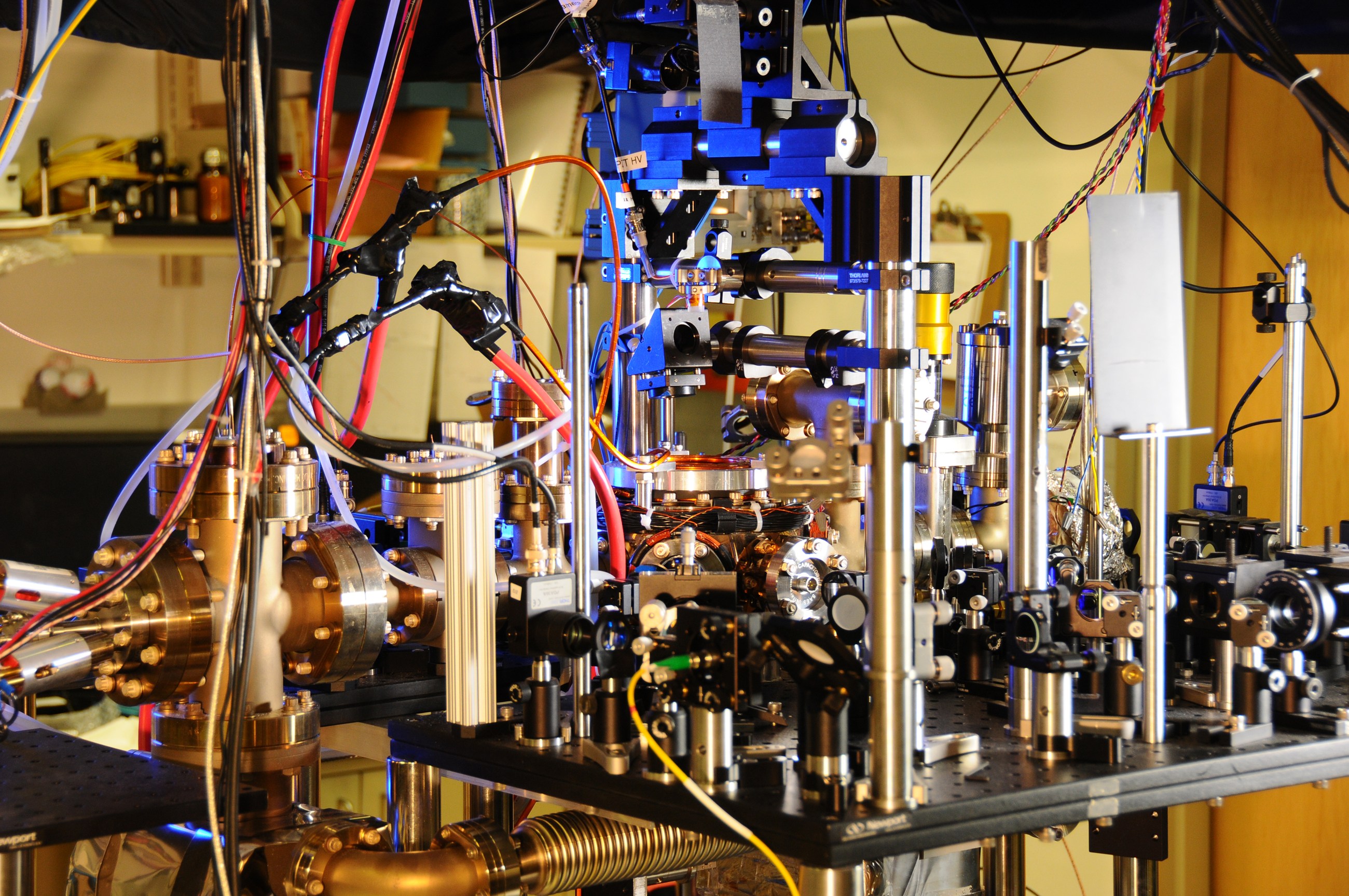
Mathematical, Physical & Chemical Sciences
Advancing fundamental understanding of quantity, structure, matter, energy, and the laws that shape the natural world.
Eight academic divisions give LAANSSS a complete and credible structure across the natural sciences, engineering, health, social sciences, and humanities.
The eight divisions are the Academy’s enduring disciplinary homes. They give Fellows and participating scholars a clear peer community, protect the standards by which different forms of evidence are judged, and preserve the depth that serious interdisciplinary work requires.
Divisions are not administrative silos. A scholar may contribute to more than one intellectual conversation, and the Academy may establish time-limited working groups around questions that cross several divisions. Primary affiliation identifies the strongest field of peer review; it does not restrict collaboration.
Each division includes a scope, fields and sections, and its contribution to the wider Academy.
Six divisions spanning foundational inquiry, the living world, health, engineering, and food systems.
Advancing fundamental understanding of quantity, structure, matter, energy, and the laws that shape the natural world.
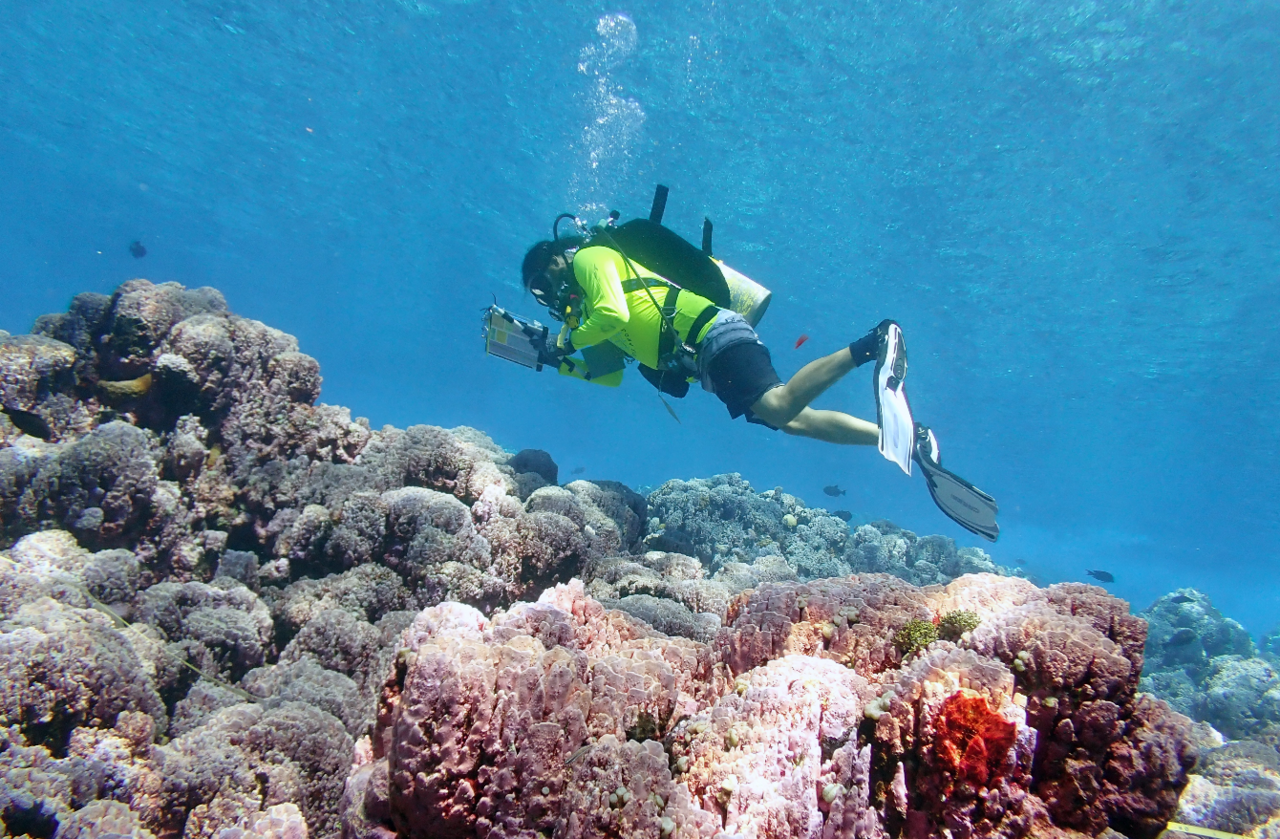
Understanding a dynamic planet—from its deep structure and atmosphere to climate, ecosystems, hazards, and the wider solar system.
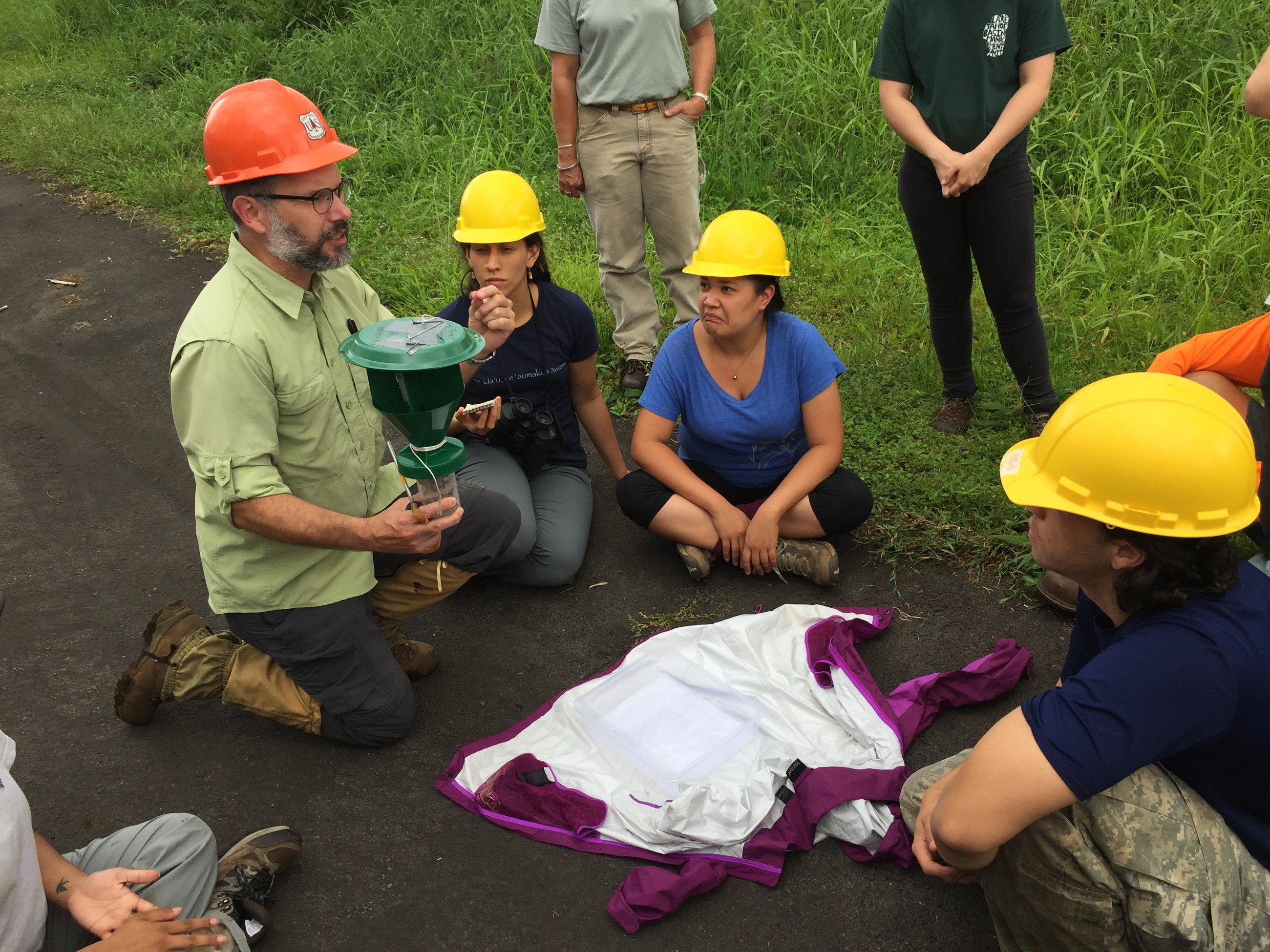
Exploring the organization, diversity, function, development, and evolution of living systems across every scale of life.
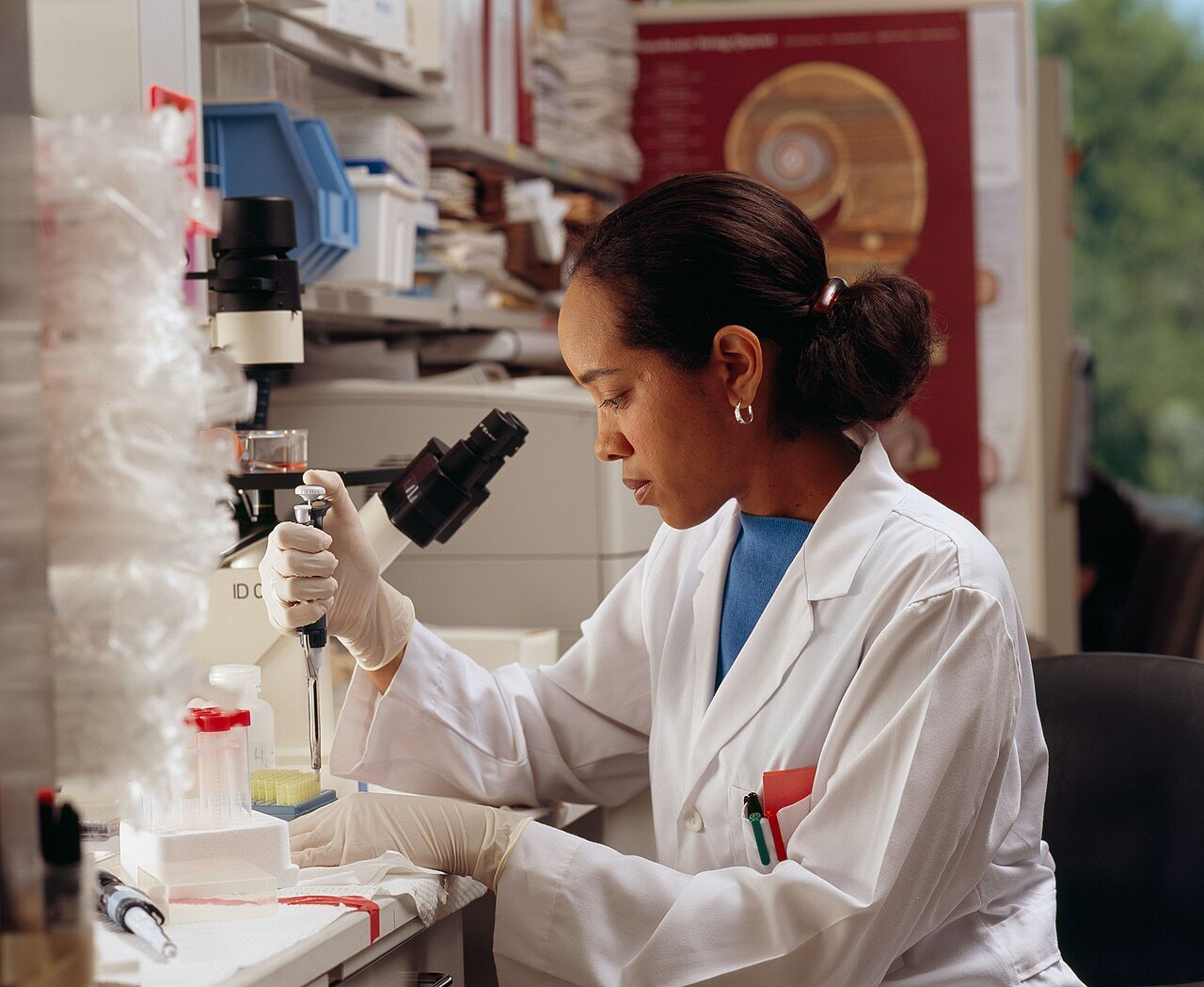
Advancing human health through rigorous discovery, clinical insight, prevention, public health, and equitable health systems.
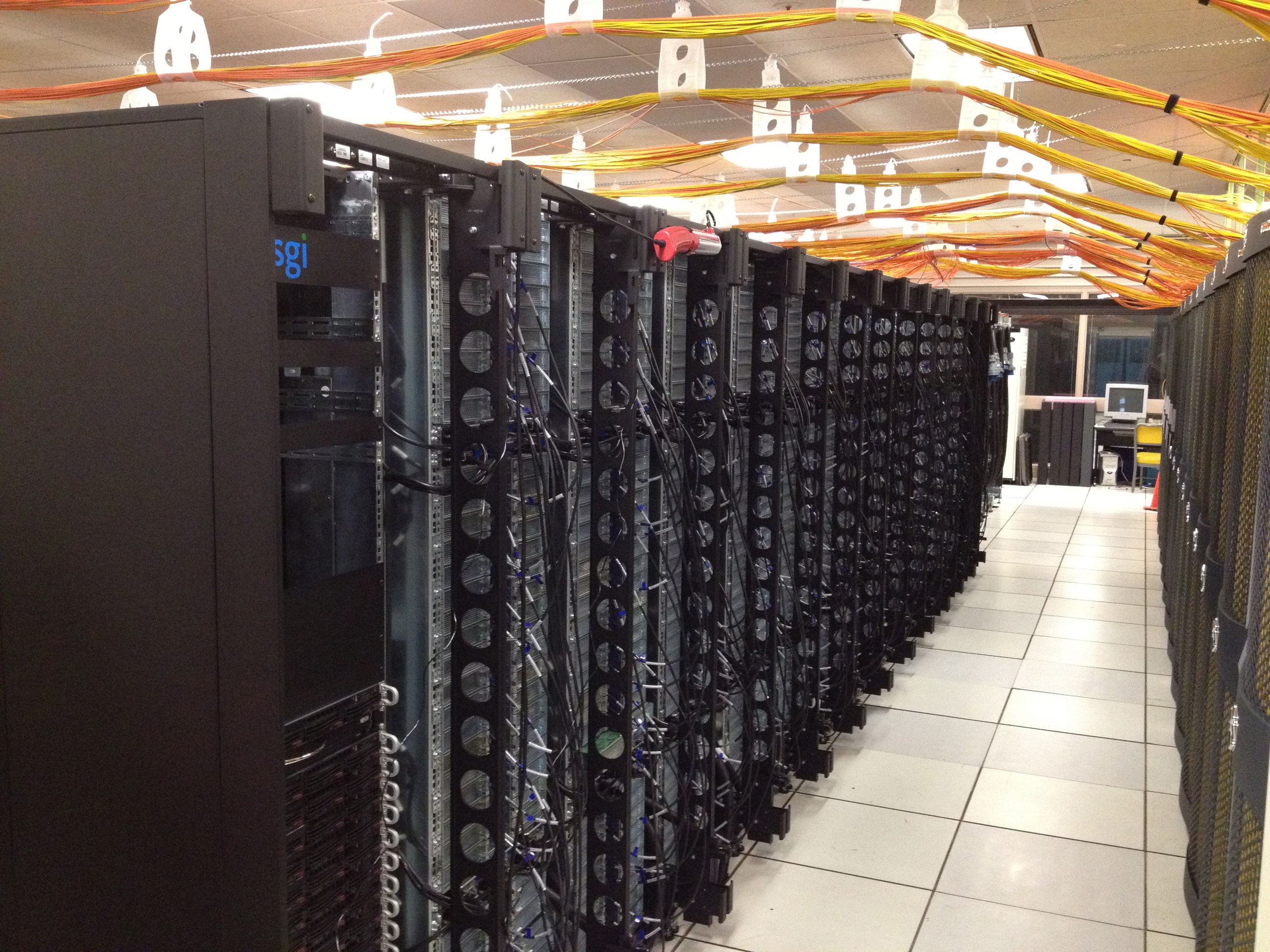
Transforming knowledge into resilient systems, responsible technologies, and solutions for society.
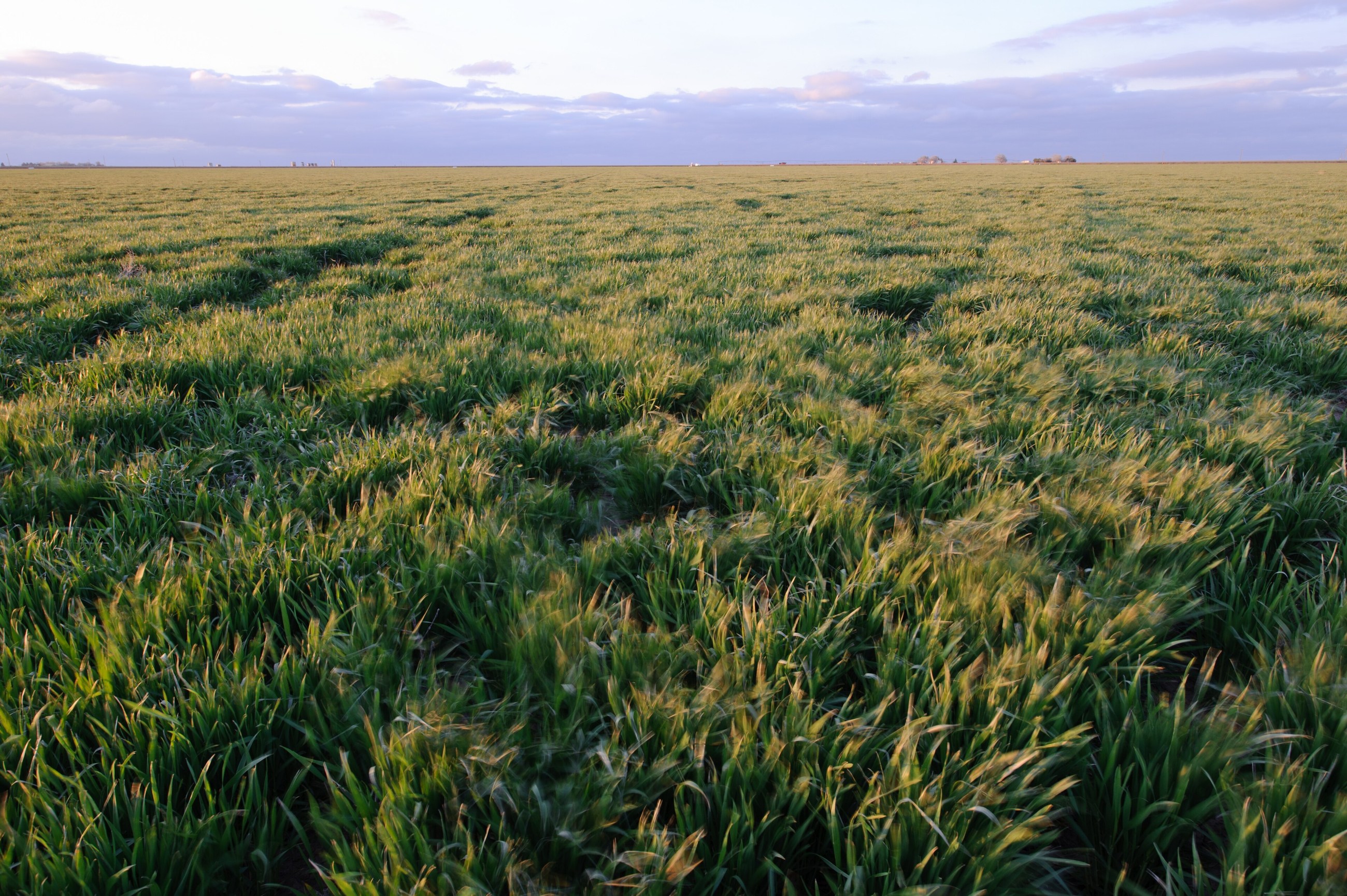
Building resilient food systems through agricultural science, nutrition, animal health, biodiversity, and responsible innovation.
Two broad divisions connecting social analysis, institutions, language, history, philosophy, and the arts.
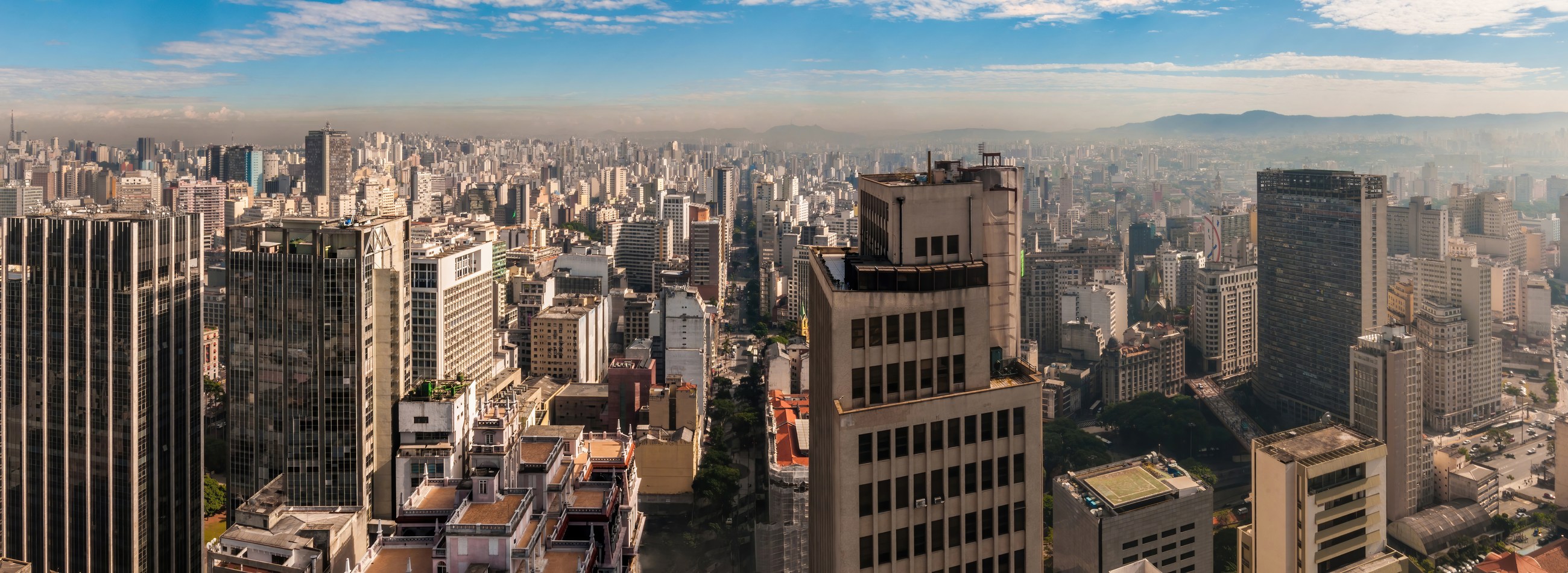
Examining how people, institutions, economies, and societies change—and how evidence can support better decisions.

Interpreting human experience, cultural memory, language, creativity, ethics, and the ideas that shape public life.

Climate resilience, responsible AI, health equity, cultural heritage, and sustainable food systems require several forms of knowledge at once. Time-limited working groups can bring relevant divisions together without weakening disciplinary standards.